
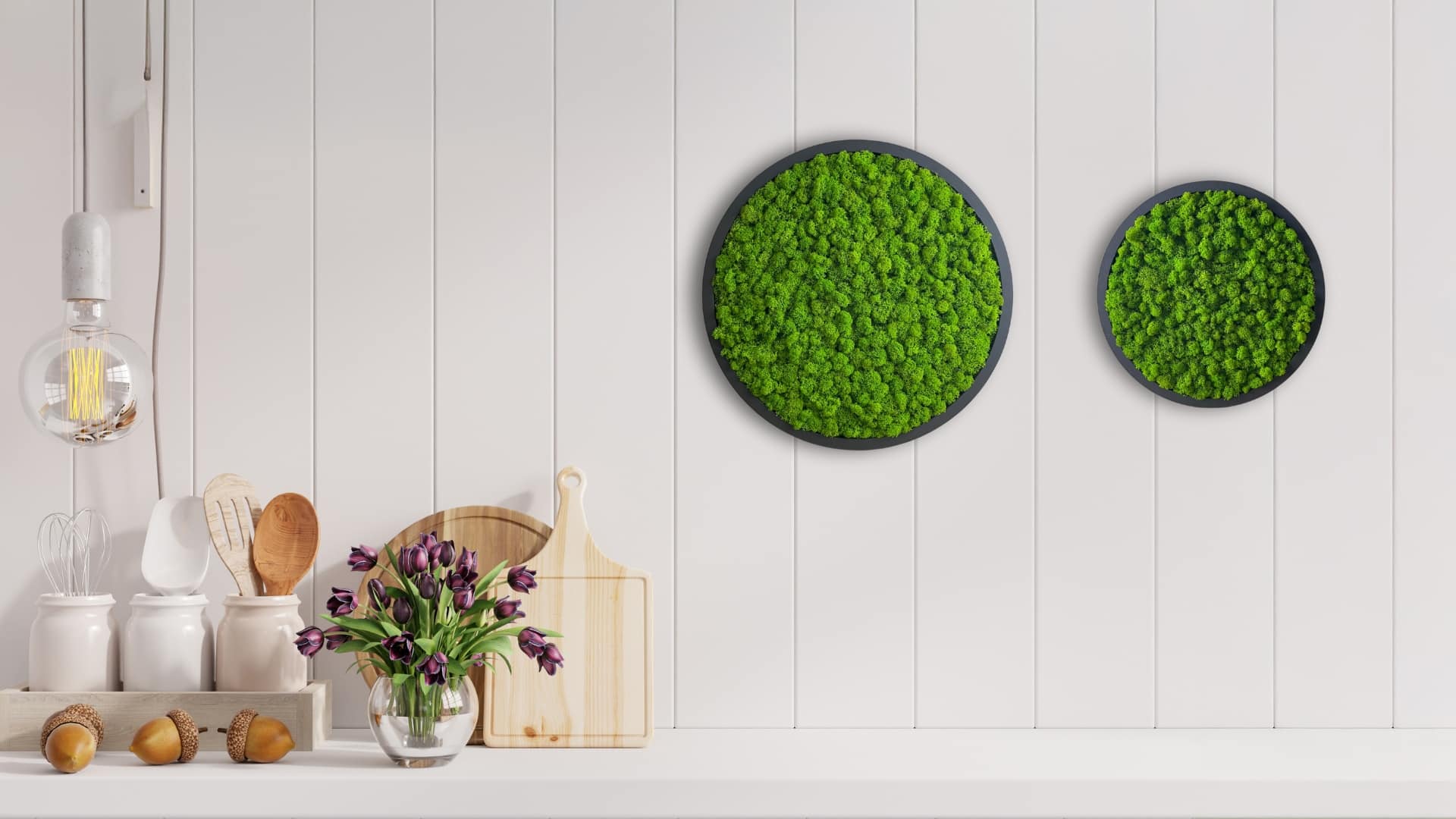
Kitchen plants are not only a decorative element but also a functional addition to the kitchen space. Introducing greenery into the kitchen can improve air quality, enhance the aesthetics of the interior, and create a more pleasant atmosphere during meal preparation. In 2025, we will see a significant increase in interest in plants in the context of kitchen design.
Why is it worth introducing plants into the kitchen?
Introducing plants into the kitchen offers numerous benefits that go far beyond aesthetics. First and foremost, plants naturally purify the air by absorbing harmful chemicals commonly found in kitchens , such as formaldehyde and benzene, which can be released during cooking or from finishing materials.
The presence of plants in the kitchen can reduce the concentration of volatile organic compounds by up to 25-30% compared to spaces without plants. This significantly improves air quality in a place where we spend a lot of time preparing meals.
Our experience shows that clients who choose to introduce plants into their kitchens also notice an improvement in their well-being and a greater enjoyment of the space . Greenery soothes the senses, reduces stress, and creates a more harmonious environment.
Additionally, some plants, such as culinary herbs, serve a practical purpose – they're always on hand while cooking, allowing you to quickly enrich dishes with fresh spices. Our customers often emphasize that the ability to pick a fresh basil leaf or a sprig of rosemary right while preparing a meal is not only a practical advantage but also adds to the satisfaction of cooking.
In the context of 2025 interior design trends, plants have become an integral element of modern kitchen arrangements, giving them character and coziness, while softening the often austere, technological decor of contemporary kitchens.
What plants work well in the kitchen?
Choosing the right plants for your kitchen should take into account the specific conditions of this room: fluctuating temperatures, periodically increased humidity, and potentially limited light. Based on our many years of observations and experience with clients, we can recommend several species that perform particularly well in the kitchen environment.
Kitchen herbs are the first and natural choice for this room. Basil, rosemary, thyme, mint, and oregano not only look beautiful but are also practical additions to cooking. Succulents, due to their hardiness and minimal maintenance requirements, are an excellent option for busy people. Aloe, Crassula ovata (happy tree), and various varieties of Echeveria tolerate changing conditions and less frequent watering.
| Plant | Lighting requirements | Watering frequency | Resistance to kitchen conditions |
| Aloe | Bright, diffused | Every 2-3 weeks | High |
| Sansevieria | Partial to light shade | Every 2-4 weeks | Very high |
| Common ivy | Penumbra | Regularly, moderately | Mean |
| Kitchen herbs | Clear, direct | Regularly, abundantly | Medium to high |
| Ferns | Penumbra | Regularly moisten the substrate | High (with appropriate humidity) |
For kitchens with limited access to natural light, we recommend sansevieria (snake plant), zygocactus (Christmas cactus) and some varieties of common ivy, which tolerate partial shade and less frequent watering.
Stabilized plants for the kitchen – a practical and decorative solution
Stabilized plants are an innovative solution for those seeking long-lasting greenery without the need for regular maintenance. The stabilization process involves replacing natural plant juices with a special preservative solution, allowing plants to maintain their natural appearance and flexibility for many years, without the need for watering or exposure to light.
At Vikingmoss we specialize in precisely this type of solution, offering a wide selection of preserved plants ideal for kitchen spaces. Our experience shows that preserved plants are particularly appreciated by customers who want to enjoy greenery but are concerned about its survival in demanding kitchen environments or lack the time for regular maintenance.
One of the greatest advantages of stabilized plants is their resistance to moisture, grease, and fluctuating temperatures – factors that can pose a challenge for living plants in the kitchen. Popular stabilized plants for the kitchen include moss arrangements, ferns, eucalyptus, and various ornamental grasses. Vertical gardens made of stabilized moss are particularly noteworthy, as they can act as natural wall art, introducing a natural element without taking up valuable workspace.
Dried plants for the kitchen – a lasting accent in the kitchen interior
Dried plants are a traditional yet still incredibly popular method for incorporating natural elements into kitchens. Unlike live or preserved plants, dried plants undergo a natural dehydration process, retaining their distinctive appearance and structure, often with beautifully altered colors that emphasize their natural character.
The most popular dried plants used in kitchen arrangements are lavender, eucalyptus, sage, pampas grass, and various species of grains and grasses. Our observations show that dried herbs not only serve as a decorative element but also fill the kitchen with a pleasant, natural aroma that can linger for many months.
In 2025, we'll see a return to the tradition of hanging dried kitchen herbs—not only as a decorative element, but also as a practical way to store home-grown spices. According to research on interior design trends, as many as 65% of modern kitchens incorporate dried herbs as a nod to culinary traditions.
Our clients particularly appreciate the dried herb and flower arrangements we mount in special frames, creating unique "botanical paintings" that are color-coordinated with the kitchen interior. This solution is not only aesthetically pleasing but also very practical – it requires no maintenance, is resistant to grease and moisture, and can also serve as a home spice rack.
Moss in the kitchen – a modern way to go green
Stabilized moss is an innovative solution that has gained immense popularity in recent years in interior design, including kitchens. At Vikingmoss , we specialize in this form of bringing nature into interiors, offering top-quality products that have proven successful in hundreds of projects.
Stabilized moss is a natural moss that has undergone a special preservation process that preserves its elasticity, softness, and vibrant color while eliminating the need for watering and exposure to light. It's an excellent solution for kitchens, where conditions can be variable and space for traditional potted plants is limited.
One of the greatest benefits of stabilized moss is its ability to absorb moisture from the air and release it during dry weather, helping to naturally regulate indoor humidity. In the kitchen, where humidity levels often fluctuate during cooking, this property is especially valuable.
Vikingmoss offers various types of stabilized mosses that can be used in the kitchen:
- Reindeer moss – fluffy, intensely green, perfect for creating small compositions on shelves or window sills
- Cushion moss – dense and compact, perfect for vertical gardens and moss pictures
- Flat moss – ideal for covering larger surfaces, creating inscriptions or logos
Want to add lasting greenery to your kitchen without the maintenance commitments? Check out our stabilized moss selection at vikingmoss and transform your kitchen space today!
-

Vikingmoss™ custom-made moss arrangement
1600zlotySelect an option This product has multiple variants. You can select your options on the product page -
Custom-made cushion moss walls BEAT Vikingmoss
1600zlotySelect an option This product has multiple variants. You can select your options on the product page -
112zlotySelect options This product has multiple variants. You can select your options on the product page


How to choose kitchen plants that suit your style?
The selection of plants for a kitchen should harmonize with its architectural style and color scheme. Depending on the interior's character, different types of plants can emphasize its unique character or introduce a desired contrast. Based on years of experience in interior design using botanical elements, we have developed several recommendations for the most popular kitchen styles.
For a Scandinavian-style , characterized by bright colors and a minimalist approach, simple, geometric plant forms are ideal. Our clients often choose stabilized mosses in light shades of green, succulents in simple white pots, and single eucalyptus sprigs in glass vases.
Dried herbs and flowers, lavender wreaths, and dried grass arrangements look great in rustic kitchens Our company's tried-and-true arrangements combine lavender, sage, and rosemary, which not only look beautiful but also fill the space with a pleasant aroma.
For modern, industrial kitchens, we recommend contrasting raw materials with vibrant greenery. Vertical gardens made of stabilized moss in metal frames or geometric terrariums with succulents are the perfect complement to the industrial aesthetic. Our projects demonstrate that such contrast is particularly appreciated by clients who prefer modern design.
Eclectic and boho kitchens will thrive in colorful stabilized mosses, exotic ferns, or artistic dried flower arrangements . Such interiors offer the greatest freedom to experiment with botanical forms.
Plants in the kitchen and humidity and light conditions
The kitchen provides a unique environment for plants due to its variable humidity, temperature, and access to natural light . When planning to introduce plants into the kitchen, consider these factors to ensure optimal growth conditions or select species that are resistant to these variables.
When it comes to humidity, the kitchen is a paradoxical space – humidity levels can rise dramatically during cooking, only to drop quickly due to ventilation systems. Our experience shows that plants that tolerate such fluctuations well include ferns, lichen, cushion moss, and most culinary herbs.
Light conditions are also an important factor. According to our measurements, a typical residential kitchen receives an average of 3-5 hours of direct sunlight per day, depending on window orientation. For kitchens with limited access to natural light, we recommend shade-tolerant species such as zygocactus, aglaonema, or various varieties of ivy.
An alternative solution that has proven successful for our clients is the use of stabilized plants, such as mosses or ferns, which don't require access to sunlight. According to our customer satisfaction surveys, 94% of those who have chosen stabilized moss in their kitchens rate this solution as "very satisfactory" due to the lack of light conditions.
Temperature is another factor to consider. During intense cooking, the temperature in the kitchen can periodically rise by as much as 5-7°C.
Where to buy kitchen plants?
Choosing the right place to purchase your kitchen plants is crucial to their future health and longevity. Specialized stores selling preserved plants, such as our Vikingmoss , offer unique solutions dedicated to spaces with specific requirements, such as kitchens .
- In our online store www.vikingmoss.com will vikingmoss stabilized mosses, botanical compositions and vertical gardens that can be safely placed even near cooking areas.
- Garden centers are a good source of live potted plants, although it is worth choosing facilities with experienced staff who can advise on the selection of species suitable for specific kitchen conditions.
- Online stores specializing in houseplants offer a convenient alternative, offering a wide selection and door-to-door delivery. However, it's important to pay attention to the seller's reputation and customer reviews, especially regarding the quality of the plants after shipping.
- For those looking for culinary herbs, local agricultural and organic markets , where you can purchase healthy seedlings from local producers.
Want to introduce sustainable greenery to your kitchen without the maintenance commitments? Visit our online store vikingmoss www.vikingmoss.com stabilized mosses and other maintenance-free plants, ideal for kitchen spaces. Our advisors will help you choose compositions perfectly suited to the style of your kitchen and its specific conditions!

Hi, my name is Marian Sikora and I'm the founder of Sikorka and Vikingmoss a company that has been producing wooden world maps for walls and moss walls since 2018. My extensive experience and qualifications have led to my success. I began my career in the IT industry, where I spent many years creating websites, graphic design, programming, and implementing marketing campaigns. However, over time, I desired a change and decided to channel my passion for creation into something more tangible.


